

Crossing the Cook Strait: The Interislander Between Wellington and Picton
New Zealand is a country of two islands, and the water between them is not always kind. Cook Strait, the channel that separates the North Island from the South, is notoriously rough, funnelled by winds that sweep across the Tasman Sea. But on a good day, the ferry crossing between Wellington and Picton is one of the most beautiful journeys in the Southern Hemisphere.
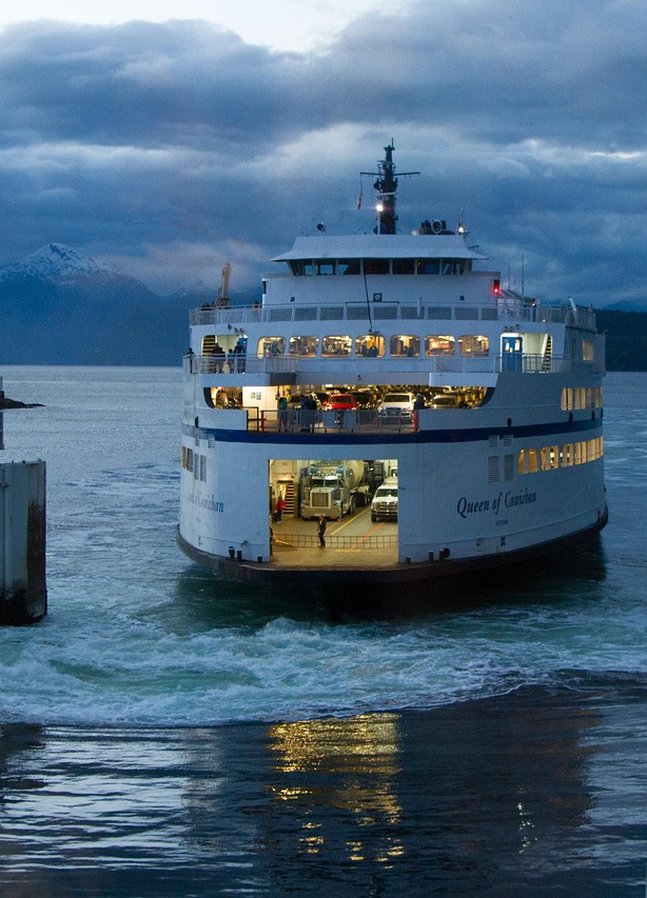
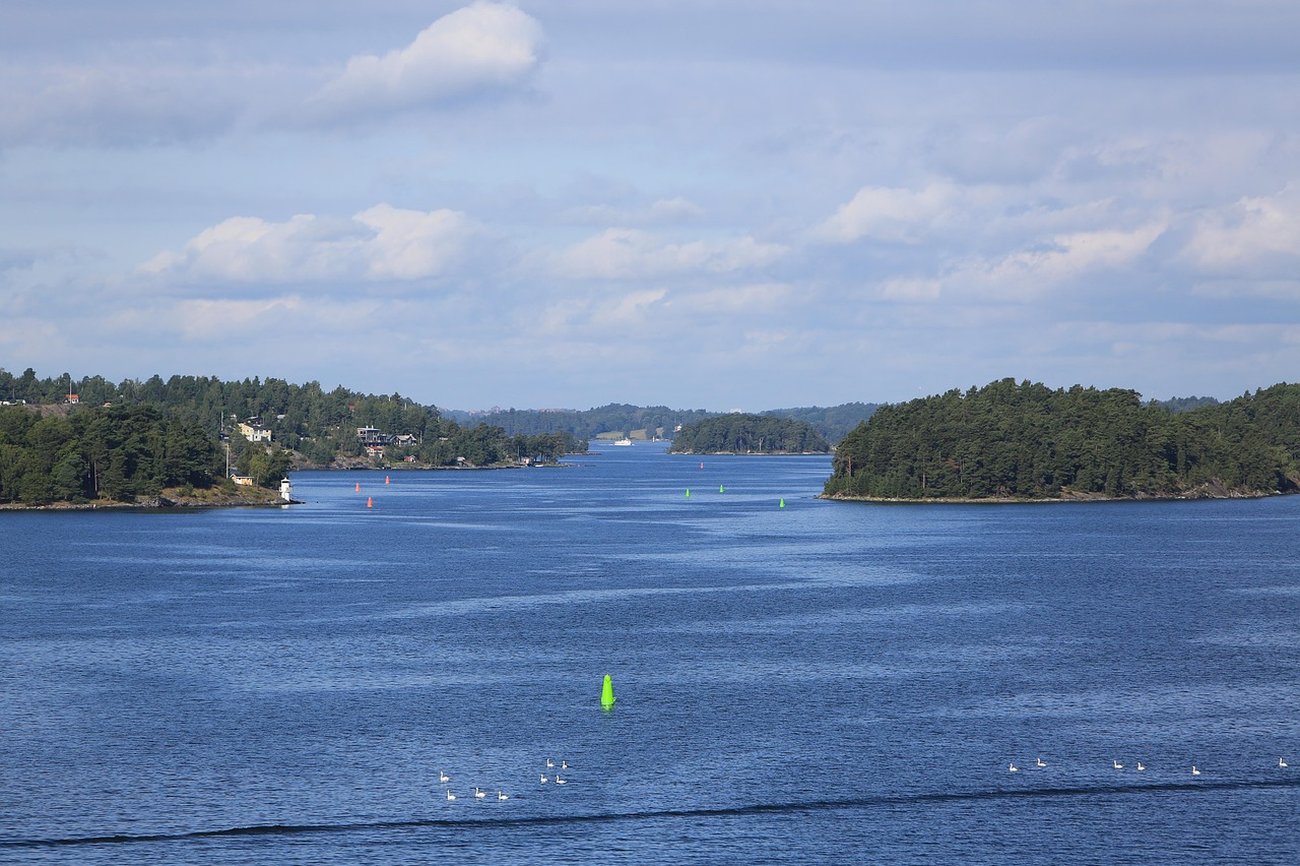
The route is served by a few operators, but the classic crossing is on the Interislander, a large roll-on roll-off ferry that carries cars, trucks, trains, and foot passengers. The trip takes about three and a half hours, and it is divided into two very different halves. The first part, out of Wellington Harbour, is sheltered and calm. The second, through the Marlborough Sounds, is a slow glide through drowned river valleys, with green hills rising steeply from the water and small bays tucked into every fold of the coastline.
Wellington to the Open Strait
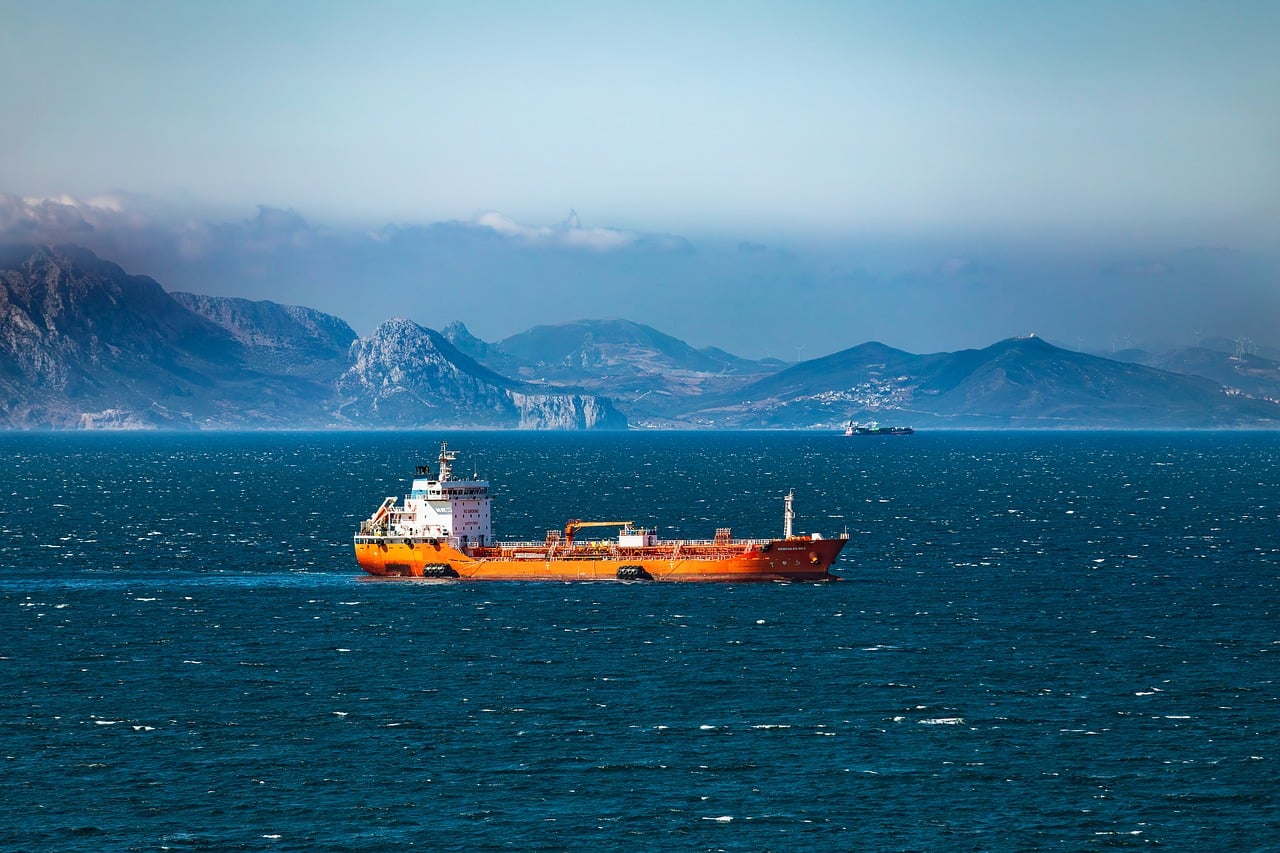
Wellington is often called the windiest city in the world, and the harbor is a busy, working port. As the ferry pulls out, you pass the container terminals and the Miramar Peninsula, and then the shelter ends. The open strait can be choppy, and the boat moves with it. If you are prone to seasickness, this is the time to be inside, or to take something before you board. But if you are steady on your feet, the deck is worth it. The water is a deep, cold blue, and on a clear day you can see the Kaikoura Ranges on the South Island from miles away.
Inside, the ferry is comfortable and well equipped. There are cafeterias, lounges, a bar, and plenty of seating. Families spread out, truck drivers sleep, and backpackers compare notes on the hostels they have booked. It is a social crossing, and the mood lifts as the boat enters the Sounds.
The Marlborough Sounds
The final hour of the crossing is the highlight. The Marlborough Sounds are a maze of inlets and islands, and the ferry threads its way through them with care. The water is calm here, protected from the wind, and the hills come right down to the shore. You can see sheep grazing on the slopes, small boats anchored in the bays, and the occasional holiday home tucked into the trees. It is a landscape that feels both wild and settled, and it is best seen from the water.
Picton, at the end of the route, is a small town with a big personality. It is the gateway to the Marlborough wine region, one of the best in the world, and the starting point for the Queen Charlotte Track, a multi-day hike through the Sounds. Many travelers rush through on their way to Blenheim or Nelson, but Picton is worth a night or two. The ferry may be a means of transport, but the crossing itself is one of the great experiences of traveling in New Zealand.

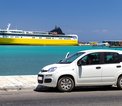


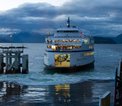
The ferry across Cook Strait links New Zealand's two main islands and delivers some of the most dramatic coastal scenery in the country.
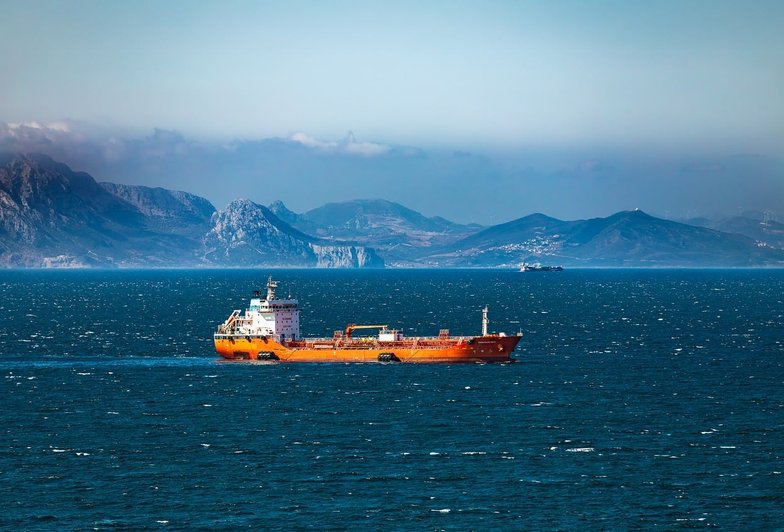
The ferry from Tarifa to Tangier crosses one of the world's busiest straits and lands you in a different world.
A windswept crossing from Kennacraig to Port Ellen reveals the wild, whisky-soaked beauty of Scotland's Hebridean edge.
A three-hour voyage between Norway and Denmark that turns a simple crossing into a proper sea journey.
A free state-run ferry connects Hatteras Island to the remote, car-free-feeling village of Ocracoke.