

The Ferry to Islay: Crossing the Sound of Jura with the Wind at Your Back
The drive to Kennacraig takes you through the kind of landscape that makes you forget what time it is. Loch Fyne opens up on your left, its dark water framed by hills that shift between green and grey depending on the cloud cover. By the time you reach the ferry terminal, a small, functional building with a car park that fills up faster than you'd expect, you're already in a different frame of mind. This is the jumping-off point for Islay, the southernmost of the Inner Hebrides, and the ferry is the only sensible way to get there.
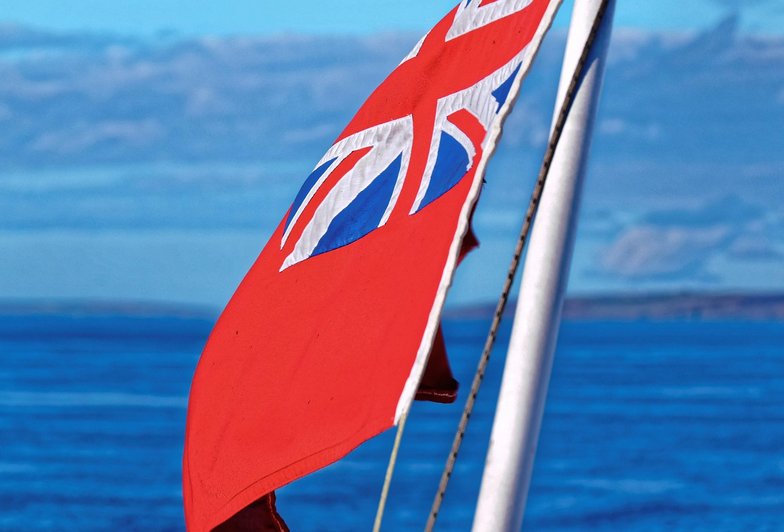
CalMac operates the route, and the crossing takes roughly two hours. On a calm day, it's a gentle glide across the Sound of Jura. On a rough day, it's a reminder that the sea doesn't care about your plans. I've experienced both, and honestly, the rough days are more memorable. There's something about standing on the outer deck, salt spray hitting your face, watching the Paps of Jura rise out of the mist, that makes you feel properly alive.
What You'll See from the Deck
The view changes constantly. You leave behind the mainland's wooded hills and enter a seascape dotted with small islands, some inhabited, most not. Gigha appears to the west, a low green sliver. Jura looms to the north, its three conical peaks often capped with cloud. If you're lucky, you'll spot seals hauled out on the rocks near the shore, or a porpoise breaking the surface in the ferry's wake.
The boat itself is practical rather than luxurious. There's a cafeteria serving hot drinks and decent soup, a small shop selling shortbread and woollen hats, and plenty of seating both inside and out. Most passengers make a beeline for the outside decks, even in less-than-ideal weather. The atmosphere is friendly and unhurried. You'll hear a mix of local accents and visitor voices, and someone will almost certainly be carrying a dog.
Arriving on Islay
Port Ellen appears gradually, a cluster of white houses strung along the shore. As the ferry docks, you get your first proper look at Islay itself: low-lying, green, and edged with pale sandy beaches that look almost tropical until you remember you're in Scotland. The island is famous for its whisky, and you'll see distillery names on road signs as soon as you drive off the boat. But even if you never set foot in a distillery, Islay rewards slow travel. The beaches at Machir Bay and Kilnaughton are worth the detour, and the birdlife along the coast is extraordinary.
The return crossing feels different. You're leaving something behind, and the ferry becomes a kind of threshold between the island's quiet rhythms and the busier world you're heading back to. If you can, book a late afternoon sailing and watch the light change over the water. It's the kind of journey that stays with you, not because anything dramatic happens, but because everything feels exactly as it should.


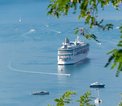

A windswept crossing from Kennacraig to Port Ellen reveals the wild, whisky-soaked beauty of Scotland's Hebridean edge.
A three-hour voyage between Norway and Denmark that turns a simple crossing into a proper sea journey.
A free state-run ferry connects Hatteras Island to the remote, car-free-feeling village of Ocracoke.
The Waxholmsbolaget ferries connect Stockholm's sprawling archipelago, offering a slow, beautiful way to explore the Baltic coast.
A seasonal ferry from Fromentine or Saint-Gilles-Croix-de-Vie leads to a rugged island with wild beaches and a slower pace.