


Island Hopping in the Cyclades: The Slow Ferries of Greece
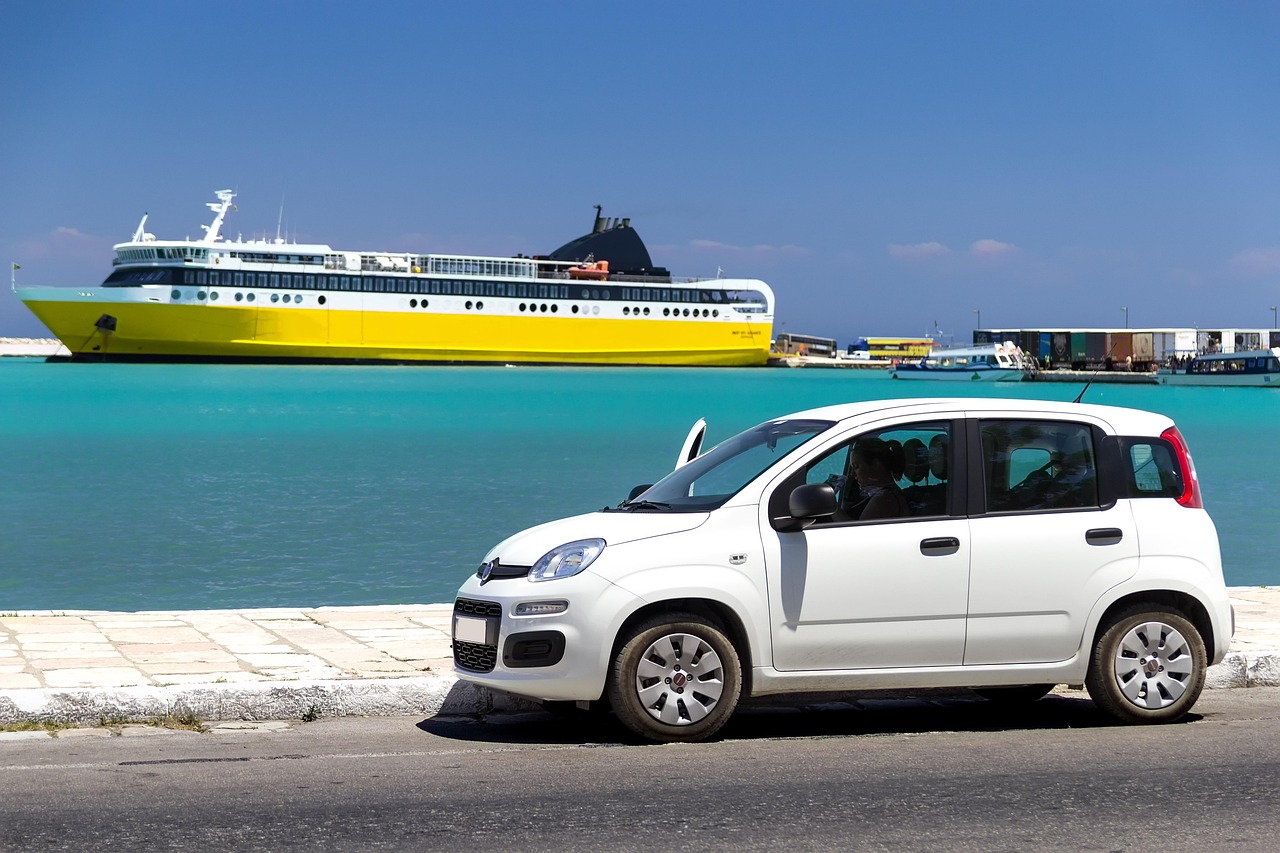
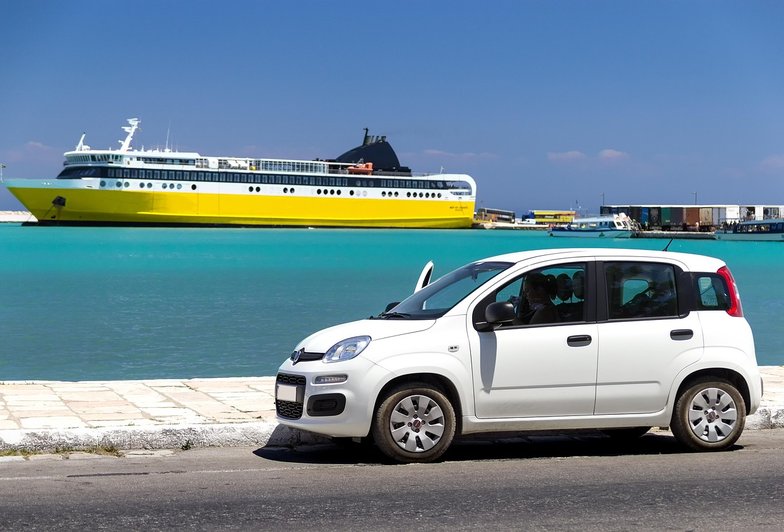
There are two ways to move through the Greek islands: fast and slow. The high-speed catamarans will get you from Piraeus to Naxos in a few hours, sealed inside a vibrating cabin with the curtains drawn. The slow ferries, by contrast, take their time, and in doing so they offer something the fast boats cannot: the chance to actually see the Aegean.
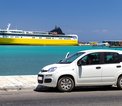
The slow ferries are the workhorses of the Cyclades, connecting Piraeus with Syros, Paros, Naxos, Ios, Santorini, and dozens of smaller islands in between. They are big, sturdy vessels with open decks, multiple cafeterias, and a pace that encourages you to sit still. On a summer morning, the deck fills with backpackers, Greek grandmothers, and islanders returning home with boxes of supplies. The boat pulls out of port, the engines settle into a drone, and the islands begin to slide past.
The Rhythm of the Deck
Life on the deck of a Greek ferry has its own rhythm. Early in the crossing, people claim spots along the railings and watch the mainland recede. Someone always has a camera. Someone else is already asleep on a bench. The cafeterias open, and the smell of coffee and cheese pies drifts across the deck. As the hours pass, the light changes, the wind picks up, and the islands appear one by one, each with its own silhouette and its own harbor.
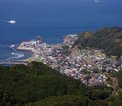
The best part of the slow ferry is the arrivals. Because the boat stops at multiple islands, you get to see ports you might never have visited otherwise. A quick stop at Syros reveals the neoclassical waterfront of Ermoupoli. Paros brings whitewashed alleys and a busy harbor. Naxos rises with its ancient gate on the shore. Even if you never get off, you have traveled through them, if only for twenty minutes.
Practical Notes for the Slow Route
Book your tickets in advance during July and August, when the ferries fill up with both tourists and returning locals. Deck class is the cheapest option and, on a calm day, the best one. Bring a light jacket, because the wind on the water can be cool even in high summer. And do not overpack your schedule: the slow ferries are reliable, but island time is real, and a delay is just an excuse to stay a little longer.
If you have the time, consider breaking your journey into stages. Take the ferry from Piraeus to Syros, stay a night, then continue to Paros, then Naxos, then Santorini. Each leg is short, and each island has its own character. The slow route is not for everyone, but for travelers who want to feel the Aegean rather than just cross it, there is no better way to go.

Forget the high-speed catamarans and take the slow boat through the Cyclades, where the journey is as blue as the destination.
For the price of nothing, the Staten Island Ferry offers one of the best skyline views in the world.
The ferry across Cook Strait links New Zealand's two main islands and delivers some of the most dramatic coastal scenery in the country.
The ferry from Tarifa to Tangier crosses one of the world's busiest straits and lands you in a different world.
A windswept crossing from Kennacraig to Port Ellen reveals the wild, whisky-soaked beauty of Scotland's Hebridean edge.