

The Ferry to Ocracoke: A Slow Crossing to North Carolina's Outer Banks
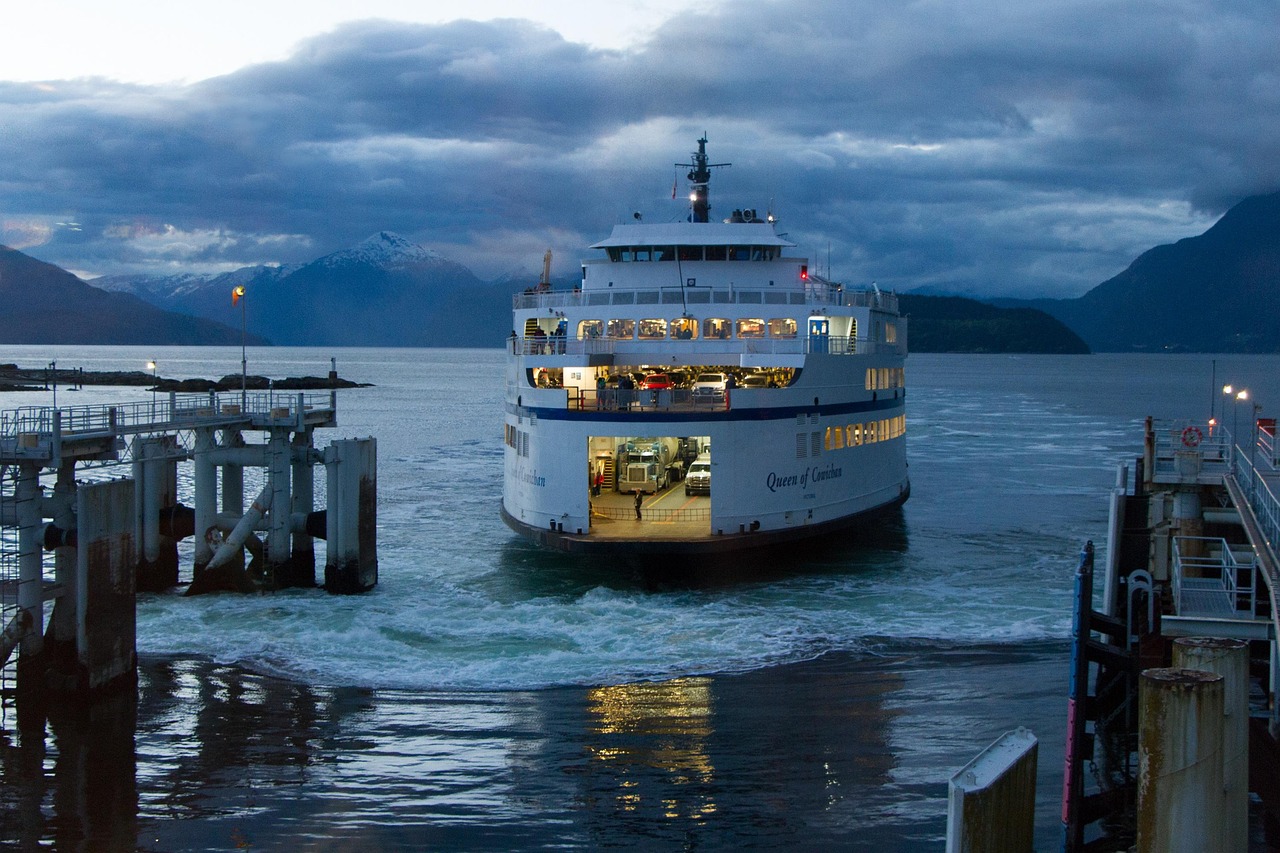
The Outer Banks of North Carolina are a series of barrier islands strung along the Atlantic coast, linked by bridges, roads, and ferries. The ferry from Hatteras to Ocracoke is one of the shortest and most pleasant crossings in the region, and it's free. That's right: no ticket, no reservation, just turn up and drive on. It takes about forty minutes, and it feels like a proper escape.
Ocracoke Island is only accessible by boat or plane, which gives it a sense of remove that's hard to find elsewhere on the East Coast. The village of Ocracoke sits at the southern end, a small grid of streets with white picket fences, fig trees, and a harbor full of fishing boats. There are no chain hotels or fast-food restaurants. It's the kind of place where people still wave at each other.
The Crossing Itself
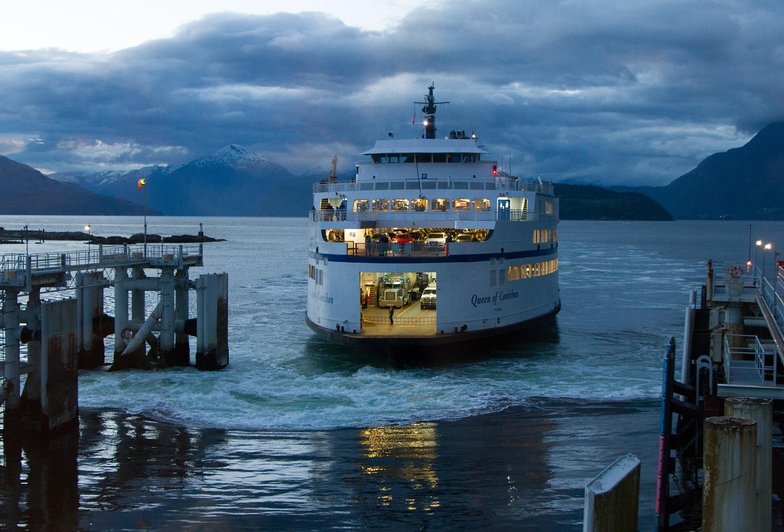
The ferry leaves from Hatteras Village, at the southern tip of Hatteras Island. The terminal is basic but efficient, with a small waiting area and restrooms. The boats are open-deck, roll-on roll-off ferries, and the crossing takes you across Hatteras Inlet, a stretch of water that's constantly shifting. The inlet is a dynamic place, and the ferry route is adjusted regularly to account for shoaling and storms.
On the crossing, you'll see pelicans gliding low over the water, terns diving for fish, and sometimes dolphins. The sound of the ferry's engine is steady and reassuring. Most people stay in their cars, but you're allowed to get out and stand on the deck, and I'd recommend it. The view back toward Hatteras, with the lighthouse in the distance, is worth the wind in your face.
What to Do on Ocracoke
Once you arrive, the pace slows down immediately. Rent a bike or a golf cart, because the island is flat and the village is small. The beach is a short walk or drive from the center, and it's wide, clean, and often almost empty. The Ocracoke Lighthouse, built in 1823, is the oldest continuously operating lighthouse in North Carolina, and it's a pleasant walk from the village.
History runs deep here. Ocracoke was once a haunt of pirates, most famously Blackbeard, who was killed in a battle near the island in 1718. There's a small museum and a few historic buildings, but mostly the island is about the water, the light, and the quiet. If you're looking for a place to disconnect, this is it. The ferry is the gateway, and the crossing is part of the experience.


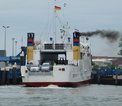
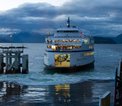
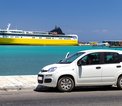
A free state-run ferry connects Hatteras Island to the remote, car-free-feeling village of Ocracoke.
The Waxholmsbolaget ferries connect Stockholm's sprawling archipelago, offering a slow, beautiful way to explore the Baltic coast.
A seasonal ferry from Fromentine or Saint-Gilles-Croix-de-Vie leads to a rugged island with wild beaches and a slower pace.
The Bay of Fundy ferry between Saint John and Digby turns a long drive into a breezy, whale-watching sea crossing.
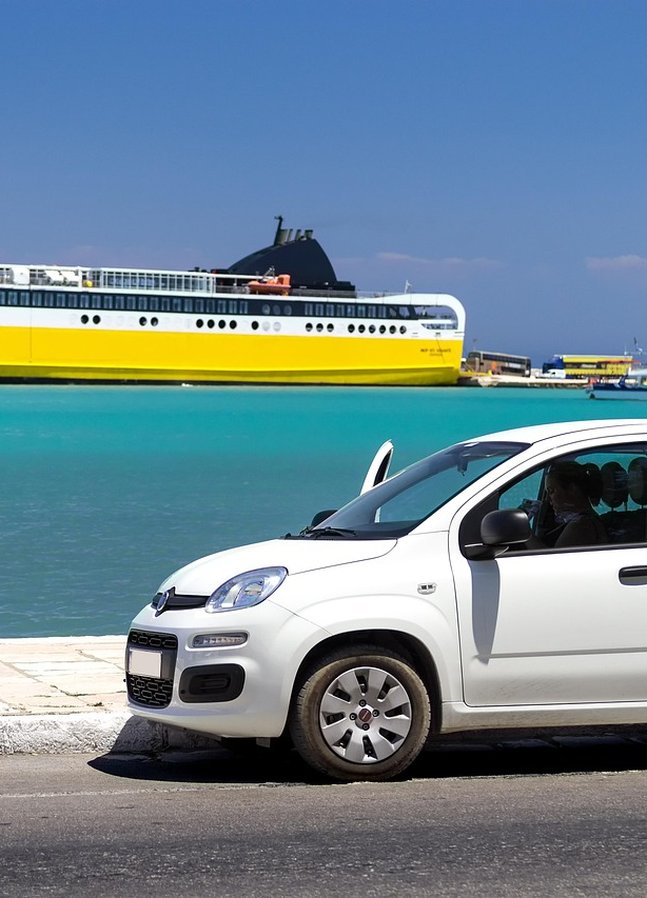
Forget the high-speed catamarans and take the slow boat through the Cyclades, where the journey is as blue as the destination.